| |
| Tuesday, April 25, 2006 |
| |
| | 7:00 - 7:45 | Majestic Ballroom | All Grades | Breakfast |
|
| Plated Breakfast (ticket required) Sponsors: Tom Snyder Productions/Scholastic |
| An enjoyable way to start day two of the conference. |
|
| 85 | 8:00 - 9:00 | Room 120/124 | Grades PK-8 | Major Session | Strand 1: Leadership with the Spirit of Quality Professional Development
|
| There Is So Much We Can Learn from Singapore – Consistently #1 in the World in Mathematics Achievement |
| To “benchmark” U.S. achievement in mathematics, we need to look at Singapore: the country TIMSS shows is really #1 in the world. This session will discuss the practical implications of an extensive comparative study of how U.S. frameworks, texts, assessments, and professional development measure up against Singapore. |
| Presider: | Ralph Connelly, NCSM Canadian Regional Director, Brock University, Fonthill, ON, Canada |
Speaker(s): | Steven J. Leinwand, Former NCSM President, American Institute for Research, Washington, DC |
|
| 86 | 8:00 - 9:00 | Room 125 | Grades PK-8 | Regular Session | Strand 1: Leadership with the Spirit of Quality Professional Development
|
| Building Math Power: Content-Based Professional Development, Integrating Mathematics and Pedagogy to Maximize Teacher Effectiveness |
| Building Math Power Institutes focus on developing teachers’ math content knowledge, modeling math best practices, and building rich mathematics activities for students. Join us as we share this exciting professional development model using multi-media presentations, case studies, and an extensive handout designed to assist with replication. |
| Presider: | Khalil Derzi, Bibb County Board of Education, Macon, GA |
Speaker(s): | Kimberly A. Rimbey, Paradise Valley Unified School District, Phoenix, AZ Peggy Akin, Building Math Power, Phoenix, AZ |
|
| 87 | 8:00 - 9:00 | Room D | Grades 6-8 | Regular Session | Strand 1: Leadership with the Spirit of Quality Professional Development
|
| Moving Beyond the Implementation: Challenges and Possibilities |
| This session focuses on lessons learned with and from teachers about issues at the root causes of the implementation plateau. These pertain to aspects of teaching that are crucial to effective use of standards-based curricula and illuminate persistent problems of mathematics teaching that are not “solved” by introducing new curriculum materials. |
| Presider: | Paul Dennis, Chignecto-Central Regional School Board, Truro, NS, Canada |
Speaker(s): | Edward A. Silver, University of Michigan, Ann Arbor, MI Valerie Mills, Oakland County Schools, Waterford, MI Lawrence Clark, University of Michigan, Ann Arbor, MI Hala Ghousseini, University of Michigan, Ann Arbor, MI Alison M. Castro, University of Michigan, Ann Arbor, MI Geraldine Devine, Clarkston Community Schools, Clarkston, MI Dana L. Gosen, Oakland County Schools, Waterford, MI |
|
| 88 | 8:00 - 9:00 | Room 121 | Grades 3-8 | Regular Session | Strand 2: Leadership with the Spirit of Quality Assessments Driving Decision Making
|
| Using Rubrics to Improve Assessment and Instruction |
| Ideas for professional development that will help teachers use rubrics to assess student understanding, communicate with students about their learning progress, and help improve student achievement will be the focus of this session. The use of anchor papers as a means of clarifying rubrics for teachers and students will be demonstrated. |
| Presider: | Arlene Mitchell, RMC Research Corporation, Denver, CO |
Speaker(s): | Mary Pat Sjostrom, Chaminade University of Hawaii, Honolulu, HI Melfried Olson, University of Hawaii, Honolulu, HI |
|
| 89 | 8:00 - 9:00 | Room 122 | Grades 6-12 | Regular Session | Strand 3: Leadership with the Spirit of Technological Innovation
|
| Understanding the Balance Between Number Sense and Technology |
| Number sense is an important component to all levels of mathematics instruction. This session will provide useful strategies and techniques to help staff create a balance between enhancing student number sense and incorporating technology within a mathematics classroom. Calculators will be provided. |
| Presider: | Darlene Teague, North Kansas City Schools, Kansas City, MO |
Speaker(s): | John T. Neral, Oakland School District, Oakland, NJ |
|
| 90 | 8:00 - 9:00 | Room E | All Grades | Regular Session | Strand 6: Leadership with the Spirit of Outreach
|
| You Can Lead a Horse to Water, but You Can’t Make Him Drink... or Can You? |
| There are as many issues in mathematics education today as there are opinions about them! What can we as leaders do to advocate for providing the best opportunities for all students to learn mathematics? Let’s look at the tools available and the actions we can take to move our cause forward. |
Speaker(s): | Linda M. Gojak, NCSM President, John Carroll University, University Heights, OH |
|
| 91 | 8:00 - 9:00 | Room A | Grades PK-8 | Sponsor Showcase |
|
| Tom Snyder Productions/Scholastic Sponsor Showcase Using Technology to Differentiate Math Instruction in the Classroom |
| Technology has always held the promise of delivering instruction geared toward the unique needs of each student. Learn about two new software programs that support the goals of math fluency and word problem comprehension, using self-paced, structured, and motivating environments that automatically adapt to the progress of each student. |
| Presider: | Don Balka, NCSM C1 Regional Director, Saint Mary's College, Notre Dame, IN |
Speaker(s): | David Dockterman, Tom Snyder Productions, Watertown, MA |
|
| 92 | 8:00 - 9:30 | Room 230 | Grades 6-12 | Extended Session | Strand 1: Leadership with the Spirit of Quality Professional Development
|
| Are We Ready to Really Contextualize Mathematics Instruction by Incorporating Multilingualism and Globalization Issues? |
| Using a mixed presentation/interaction mode, the presenter will introduce new teaching strategies that help mathematics supervisors devise professional development programs designed to equip teachers to prepare culturally and linguistically diverse students for the realities of future job markets in an increasingly global-knowledge economy. |
| Presider: | Betty Hess, Hathaway Brown School, Shaker Heights, OH |
Speaker(s): | Agustin L. Navarra, Center for Occupational Research and Development, Waco, TX |
|
| 93 | 8:00 - 9:30 | Room 241 | Grades PK-8 | Extended Session | Strand 1: Leadership with the Spirit of Quality Professional Development
|
| Supporting High Quality Mathematics Instruction: Professional Development for Principals |
| Ninety-six principals completed pre- and post-surveys about their knowledge of mathematics and how it is learned and taught. Between surveys, half took a course to help them recognize high-quality mathematics teaching. We will examine pre/post qualitative data that reflect changes in principals’ perspectives about mathematics learning and teaching. |
| Presider: | Sandy Christen, Oak Ridge Schools, Oak Ridge, TN |
Speaker(s): | Amy-Shulman Weinberg, Education Development Center, Newton, MA Greta Johnson, Education Development Center, Newton, MA |
|
| 94 | 8:00 - 9:30 | Room 231 | Grades PK-12 | Extended Session | Strand 1: Leadership with the Spirit of Quality Professional Development
|
| Issues in Designing Professional Development for Teachers of Mathematics |
| This session will focus on lessons learned from NSF’s Local Systemic Change (LSC) initiative. After discussing vignettes of several professional development programs, and considering findings from research on the LSC, participants will consider the implications for the design and implementation of professional development in their own contexts. |
| Presider: | Judy Werner, Slippery Rock University, Mars, PA |
Speaker(s): | Iris R. Weiss, Horizon Research, Chapel Hill, NC |
|
| 95 | 8:00 - 9:30 | Room F | Grades PK-8 | Extended Session | Strand 1: Leadership with the Spirit of Quality Professional Development
|
| Intensive and Sustained School-Wide Professional Development to Improve Elementary School Mathematics |
| This session will explore an urban school’s efforts to increase teachers’ geometry and measurement content knowledge and pedagogy. Participants will examine an overview of the program; experience some of the activities used with the teachers; and discuss program design, data collected, evaluation, and how they might replicate such a program. |
Speaker(s): | Janie L. Zimmer, NCSM E2 Regional Director, Research-Based Education, LLC, Woodbury, NJ Arlene Dowshen, Widener University, Chester, PA Joyce Wells, Chester-Upland School District, Chester, PA |
|
| 96 | 8:00 - 9:30 | Room G | Grades PK-2 | Extended Session | Strand 2: Leadership with the Spirit of Quality Assessments Driving Decision Making
|
| Using Second-Grade Performance Assessments to Guide Professional Development That Leads to Changes in Teaching Strategies |
| Primary teachers improve their teaching strategies through a formative performance assessment system. Participate in the ways we use assessments as tools for learning: a scoring session, our “Toolkits for Teachers” document, and ensuing professional development activity. Data and tools from our assessment program will be shared. |
| Presider: | Sharon Jacoby, Columbia Public Schools, Columbia, MO |
Speaker(s): | Melissa I. Adams, Silicon Valley Mathematics Initiative, San Jose, CA Leyani von Rotz, Emeryville School District, Emeryville, CA Carol Hatalsky, Cambrian School District, San Jose, CA |
|
| 97 | 8:00 - 9:30 | Room 240 | Grades 3-8 | Extended Session | Strand 2: Leadership with the Spirit of Quality Assessments Driving Decision Making
|
| Help Teachers Turn Test-Prep into Real Learning: High-Quality Professional Development and Classroom Tools from Balanced Assessment |
| Do your teachers spend weeks before state/district tests practicing on multiple-choice items and teaching test-taking strategies? You know this effort has little payoff and students learn nothing new. In this session, the NSF-funded MARS showcases a new professional development tool to help teachers turn test-preparation into real learning. |
| Presider: | Eileen Herlihy, Waltham Public Schools, Waltham, MA |
Speaker(s): | Sandra K. Wilcox, Michigan State University, East Lansing, MI Elizabeth Jones, Lansing Public Schools, Lansing, MI |
|
| 98 | 8:00 - 9:30 | Room C | Grades 6-12 | Extended Session | Strand 3: Leadership with the Spirit of Technological Innovation
|
| Using the TI Navigator to Provide Differentiated Mathematics Instruction in an Inclusive Setting |
| Participants will engage in an interactive model of ongoing staff development in which the TI Navigator is used to improve teaching and learning in an inclusive setting by providing differentiated instruction via flex groups based on student misconceptions. |
| Presider: | Janet Patterson, The College of the Bahamas, Nassau, Bahamas |
Speaker(s): | Terry Politi, Cecil County Public Schools, Elkton, MD Georgia A. Wensell, Cecil County Public Schools, Elkton, MD Michele G. Eggleston, Cecil County Public Schools, Elkton, MD |
|
| 99 | 8:00 - 9:30 | Room B | Grades 6-12 | Extended Session | Strand 4: Leadership with the Spirit of Equity and Access
|
| Video Studies of Students at Risk: School-Based Teacher Leaders Turn the Cameras on Their Classrooms |
| At-risk students often fail to engage in the problem solving central to exemplary mathematics curricula. In order to study this problem and pioneer solutions, a corps of 50 school-based teacher leaders from Delaware districts videotaped mathematics lessons with a special focus on the problem-solving behaviors of at-risk students. |
| Presider: | Jan Shetzler, Caesar Rodney School District, Magnolia, DE |
Speaker(s): | Jon R. Manon, University of Delaware, Newark, DE Valerie Maxwell, Appoquinimink School District, Odessa, DE Janice McCarthy, Red Clay Consolidated School District, Wilmington, DE |
|
| 100 | 8:00 - 9:30 | Room 232 | All Grades | Extended Session | Strand 4: Leadership with the Spirit of Equity and Access
|
| Infusing Issues of Equity into Professional Growth |
| Participants will be actively engaged in activities designed to address issues of equity for both preservice and inservice teachers. Structures to discuss issues will be practiced. Ideas, agendas, and resources will be shared. |
Speaker(s): | Nora G. Ramirez, Arizona State University, Tempe, AZ |
|
| 101 | 8:00 - 9:30 | Room 242 | Grades PK-12 | Extended Session | Strand 5: Leadership with the Spirit of Many Cultures
|
| We Had the Workshop: Now What? Teachers Applying Ethnomathematics in Their Classrooms |
| Workshops take us only so far. Come learn what this group of inspired teachers has done to extend and personalize the workshop instruction they experienced as they seek to make math count for their increasingly diverse groups. |
Speaker(s): | Dory Stevens, Davis School District, Farmington, UT Patty Norman, Davis School District, Farmington, UT Mary Ellen Wagstaff, Davis School District, Syracuse, UT Jim J. Barta, Utah State University, Logan, UT |
|
| 102 | 9:15 - 10:15 | Room 120/124 | All Grades | Major Session | Strand 1: Leadership with the Spirit of Quality Professional Development
|
| The Tipping Point in Mathematics Education Reform: The Mavens, The Connectors, The Salesmen, and the NCSM Leaders |
| What are the “good ideas” in mathematics education? How can we create an epidemic of those ideas? How can we be sure that the ideas and practices are implemented and stick? How should we prepare colleagues—teachers and other leaders—to do the implementation? |
| Presider: | David W. McKillop, NCSM First Vice President, Chignecto-Central Regional School Board, Truro, NS |
Speaker(s): | Carole E. Greenes, Former NCSM President, Boston University, Boston, MA |
|
| 103 | 9:15 - 10:15 | Room 125 | Grades 6-12 | Regular Session | Strand 1: Leadership with the Spirit of Quality Professional Development
|
| Math Coaching, Gateway to Success: The One Thing You Need to Know |
| Explore with us the TASEL-M (Teachers Assisting Students to Excel in Learning Mathematics) coaching experience. Learn how to build the foundation of a successful coaching model with quality professional development by applying the one thing you need to know. Discover key first steps, what’s working, and some pitfalls to avoid. |
| Presider: | Debra Paulson, El Paso Independent School District, El Paso, TX |
Speaker(s): | Janet L. Bryson, California State University-Fullerton, Fullerton, CA Ellen Duffy, California State University-Fullerton, Fullerton, CA Karen Delaney, California State University-Fullerton, Fullerton, CA |
|
| 104 | 9:15 - 10:15 | Room E | Grades 6-8 | Regular Session | Strand 3: Leadership with the Spirit of Technological Innovation
|
| Tinkering with TinkerPlots: A Look at New Ways to Explore Statistics Using Computer Software (Grades 6-8) |
| This session will provide an overview of ways to use a software tool, TinkerPlots, to explore statistics with middle grades students. Attention will be given to facilitating statistical conversations. The software will be demonstrated, ways students approach solving problems using the software will be considered, and videos of student conversations will be analyzed. |
| Presider: | Dan Lotesto, Milwaukee Public Schools/University of Wisconsin, Milwaukee, WI |
Speaker(s): | Susan N. Friel, University of North Carolina-Chapel Hill, Chapel Hill, NC |
|
| 105 | 9:15 - 10:15 | Room 122 | Grades PK-5 | Regular Session | Strand 4: Leadership with the Spirit of Equity and Access
|
| How Does Lesson Study Encourage Equitable Access to Math Content and Increase Student Achievement? |
| The presenters will review the work of the San Mateo-Foster City Lesson Study Project through a lens of equity and increased student achievement. Student data from a school that has 100% Lesson Study participation will be shared, as well as examples of student work. |
| Presider: | Dianne Moore, Chicago Public Schools, Olympia Fields, IL |
Speaker(s): | Barbara E. Scott, San Mateo-Foster City School District, San Mateo, CA April I. Cherrington, San Mateo County Office of Education, Redwood City, CA |
|
| 106 | 9:15 - 10:15 | Room D | Grades PK-8 | Regular Session | Strand 4: Leadership with the Spirit of Equity and Access
|
| Teaching and Learning Mathematics for Productive Citizenship and a Better World |
| At NCSM’s 2005 annual conference, D’Ambrosio offered a math education framework to develop productive citizenship, learners’ sense of service to community, and learners’ desire for a world of more peace and less war. How can we implement such a framework? This session explores some answers. |
| Presider: | Eleanor Linn, University of Michigan, Ann Arbor, MI |
Speaker(s): | Fredrick L. Silverman, University of Northern Colorado, Greeley, CO Jenni L. Harding-DeKam, University of Northern Colorado, Greeley, CO Susan Thompson, University of Northern Colorado, Greeley, CO Gary H. Fertig, University of Northern Colorado, Greeley, CO |
|
| 107 | 9:15 - 10:15 | Room 121 | All Grades | Regular Session | Strand 5: Leadership with the Spirit of Many Cultures
|
| Diversity and Culture in the History of Mathematics |
| This session will discuss the mathematical activity and contributions of cultures in the New World in a historical perspective covering several centuries. |
| Presider: | William Durand, Henderson State University, Arkadelphia, AR |
Speaker(s): | Luis Ortiz-Franco, Chapman University, Orange, CA |
|
| 108 | 9:15 - 10:15 | Room A | Grades PK-5 | Sponsor Showcase |
|
| Pearson Education: Pearson Scott Foresman, Pearson Prentice Hall, and Pearson Achievement Solutions Sponsor Showcase Adding It Up: Developing Mathematical Proficiency |
| Through activities and discussion, participants will learn about and define mathematical proficiency, review research on mathematical proficiency, identify the key components of developing mathematical proficiency for all students, and explore questions regarding math proficiency in the daily classroom setting (Investigations and SFAW Mathematics). |
| Presider: | Jacqueline Mitchell, NCSM E1 Regional Director, Portland, ME |
Speaker(s): | Cathie A. Dillender, Pearson Scott Foresman, Glenview, IL |
|
| 109 | 10:00 - 11:30 | Room 240 | Grades PK-5 | Extended Session | Strand 1: Leadership with the Spirit of Quality Professional Development
|
| Opening Classrooms to Colleagues: Creating Opportunities for Collegial Interactions Focused on Mathematics Teaching and Learning |
| A team of teachers and an administrator from a Boston school discuss how opening their classrooms to colleagues, including facilitated pre-visit and post-visit discussions, grounds collegial conversations about mathematics teaching and learning and supports high-quality mathematics teaching school-wide. |
| Presider: | Pam Herd, Springfield Public Schools, Springfield, MO |
Speaker(s): | Val Daniel, Boston Public Schools, Boston, MA Linda Davenport, Boston Public Schools, Boston, MA |
|
| 110 | 10:00 - 11:30 | Room 232 | Grades 3-8 | Extended Session | Strand 1: Leadership with the Spirit of Quality Professional Development
|
| Infusing Mathematical Processes in Grades 3-6: Constructing and Implementing Quality Professional Development Modules |
| The development and implementation of a 45-hour professional development academy focused on infusing mathematical processes into mathematics instruction in grades 3-6 will be discussed. A collaborative team constructed the module and trained facilitators who then implemented it across Ohio. Hands-on activities from the module will be included. |
Speaker(s): | Joanne E. Goodell, Cleveland State University, Cleveland Ohio, OH Linda M. Gojak, NCSM President, John Carroll University, University Heights, OH George Viebranz, SMART Consortium, Cleveland, OH |
|
| 111 | 10:00 - 11:30 | Room 230 | All Grades | Extended Session | Strand 1: Leadership with the Spirit of Quality Professional Development
|
| Is Japanese Lesson Study Effective? How Can the Impact of Lesson Study Be Measured? |
| Does Japanese lesson ltudy really work? Is there quantifiable evidence to suggest that it is effective? Four projects in Michigan used lesson study with middle school mathematics teachers using a scientifically-based research design. The meta-analysis of this data will be presented with qualitative vignettes. |
| Presider: | Rita Chaudhuri, Tacoma Public Schools, Tacoma, WA |
Speaker(s): | Ruth Anne Hodges, Michigan Department of Education, Lansing, MI Debbie A. Ferry, Macomb Intermediate School District, Clinton Township, MI Jennifer Nimtz, Washentaw Intermediate School District, Ann Arbor, MI |
|
| 112 | 10:00 - 11:30 | Room 231 | Grades PK-5 | Extended Session | Strand 1: Leadership with the Spirit of Quality Professional Development
|
| To Know What We Know and Know What We Don’t Know—Assessing and Developing K-5 Teachers’ Content Knowledge |
| What does it mean for K-5 teachers to know and understand mathematics more deeply? What measure of understanding do assessments like the Middle Grades Praxis II provide? Praxis-style questioning and learning opportunities that provide K-5 teachers with a comfortable understanding of middle grades mathematics will be provided. |
| Presider: | Rena Shull, Rockhurst University, Kansas City, MO |
Speaker(s): | Sid Rachlin, Association of Mathematics Teacher Educators President, Greenville, NC Eleanor Pusey, North Carolina Partnership for Improving Mathematics, Wilmington, NC Ray Jernigan, North Carolina Partnership for Improving Mathematics, Chapel Hill, NC Ron Preston, East Carolina University, Greenville, NC |
|
| 113 | 10:00 - 11:30 | Room 241 | Grades PK-12 | Extended Session | Strand 2: Leadership with the Spirit of Quality Assessments Driving Decision Making
|
| The Alignment of the Assessment Triangle - State + District + Classroom Assessment = Student Success |
| Come take an interactive look at the steps needed to align formative and summative assessments. Participants will look at the impact of assessments on daily teaching strategies. Leave with tools to check your system’s alignment, improve upon the spirit of high quality assessment, and (with your leadership) make proper data-driven decisions. |
| Presider: | Deborah Montagna, New York City Department of Education, Staten Island, NY |
Speaker(s): | David J. Brancamp, Nevada Department of Education, Carson City, NV Martha O. Robertson, Washoe County School District, Reno, NV |
|
| 114 | 10:00 - 11:30 | Room G | Grades 6-8 | Extended Session | Strand 3: Leadership with the Spirit of Technological Innovation
|
| Ideas That Work! Strategies, Resources, and Tools to Improve Mathematics Teaching and Learning |
| The session will provide an example of a strategy that has helped educators and policy makers in Nevada improve the quality of mathematics teaching and learning in the middle grades. The presentation will review goals and processes involved in the development of the MINES (Mathematics Instruction for Nevada Educational Support) Project. |
| Presider: | Marcella McNeil, Portsmouth Public Schools, Portsmouth, VA |
Speaker(s): | James W. Brant, Mathematics Education Services, Education 2000, Carson City, NV |
|
| 115 | 10:00 - 11:30 | Room C | Grades 9-12 | Extended Session | Strand 3: Leadership with the Spirit of Technological Innovation
|
| Probing for Success in Algebra: A Seamless Integration with Data |
| Algebra becomes more relevant in the presence of data. We will investigate and discuss data-rich investigations using appropriate embedded technology that can help students understand mathematical concepts. We will model a workshop using graphing calculators and probes that you can use with your teachers. |
| Presider: | Rita Gordon, Minuteman Regional High School, Lexington, MA |
Speaker(s): | Jerald W. Murdock, Key Curriculum Press, Emeryville, CA |
|
| 116 | 10:00 - 11:30 | Room F | Grades 6-12 | Extended Session | Strand 4: Leadership with the Spirit of Equity and Access
|
| Creating Access to Numerical Power for All Students and Teachers |
| Lack of numerical power is a frequent obstacle in students having access to higher mathematics. We will discuss specific strategies and tools leaders can provide their teachers in the struggle to assist all students in reaching mastery in numerical reasoning. We will present the tools and results from initial implementation. |
| Presider: | Tanna Nicely, Knox County Schools, Knoxville, TN |
Speaker(s): | Pamela W. Harris, Consultant, Kyle, TX Timothy Pope, Key Curriculum Press, Emeryville, CA |
|
| 117 | 10:00 - 11:30 | Room B | Grades PK-12 | Extended Session | Strand 4: Leadership with the Spirit of Equity and Access
|
| Designing a Leadership Development Program for Teachers in Mathematics and Equity: Ideas, Activities, and Strategies That Make a Difference |
| What are critical elements for developing and supporting teacher leaders in mathematics education? Engage in activities and strategies used successfully to promote teacher leadership and increase teachers’ understanding and ability to address issues of access and equity. Sample agendas, institute schedules, and resources will also be shared. |
| Presider: | Alison Claus, Consultant, Vernon Hills, IL |
Speaker(s): | Nancy Z. Terman, University of California, Santa Barbara, CA |
|
| 118 | 10:00 - 11:30 | Room 242 | Grades PK-5 | Extended Session | Strand 6: Leadership with the Spirit of Outreach
|
| Strategies Districts Use to Develop Successful Math Implementation: Key Roles Administrators Play to Engage All Stakeholders |
| Participants share strategies to strengthen district implementation. This session focuses on the importance of and strategies to bring all district administrators on board, develop and sustain a cohesive vision of mathematics, inform and engage stakeholders, and support teachers as they implement rigorous math curricula. |
| Presider: | Nancy Cruse, Central Indiana Educational Service Center, Indianapolis, IN |
Speaker(s): | Joan L. Bieler, University of Illinois at Chicago, Chicago, IL Jan Parsons, University of Delaware, Dover, DE Donald D. Yackel, City School District of Albany, Albany, NY |
|
| 119 | 10:30 - 11:30 | Room 120/124 | All Grades | Major Session | Strand 6: Leadership with the Spirit of Outreach
|
| Leadership in a Flattening World: The Critical Role of Math Education for the Future of Society |
| The playing field is being leveled as the world gains access to information and jobs. This shift has implications for the mathematics students need. What does a leader need to do to help all students (and society) have a bright economic future? |
| Presider: | Kay Gilliland, NCSM Past President, Mills College, Oakland, CA |
Speaker(s): | Cathy Seeley, National Council of Teachers of Mathematics President, Reston, VA |
|
| 120 | 10:30 - 11:30 | Room 121 | Grades PK-5 | Regular Session | Strand 1: Leadership with the Spirit of Quality Professional Development
|
| Coaching the Elementary Math Coach: A Blueprint for Training, Reflection, and Ongoing Support |
| What skills are needed to be a highly-effective math coach? What types of training will enhance a coach’s effectiveness? Participants will explore an innovative program designed to train and support math coaches. Participants will gather insights and practical tips for training topics, session formats, reflective practices, and helpful resources. |
| Presider: | Margie Richmond, Words & Numbers, Baltimore, MD |
Speaker(s): | Susan R. O’Connell, University of Maryland, College Park, MD Kelly O’Connor, University of Maryland, College Park, MD |
|
| 121 | 10:30 - 11:30 | Room 122 | Grades 6-12 | Regular Session | Strand 1: Leadership with the Spirit of Quality Professional Development
|
| From Teacher to Leader: Building the Capacity of Your Adult Learners |
| How can you transfer the power of one to the power of many? Explore the strategies used in Phoenix Union High School District, an urban district in Arizona, to build the leadership capacity of their math teachers. The presenters will share strategies on how teachers transformed into math leaders. |
| Presider: | Melanie J. Nichols, Arkansas School for Math, Sciences, and the Arts, Hot Springs, AR |
Speaker(s): | Mona B. Toncheff, Phoenix Union High School District, Phoenix, AZ Sharon Cramer St. Clair, Phoenix Union High School District, Phoenix, AZ |
|
| 122 | 10:30 - 11:30 | Room D | All Grades | Regular Session | Strand 2: Leadership with the Spirit of Quality Assessments Driving Decision Making
|
| Lesson Study: Assessing Implementation to Guide Professional Development |
| Loras College in Dubuque, IA, has been involved in lesson study for three years. Presenters will discus how assessments were used to inform the content of the professional development needed in order to implement lesson study with fidelity. |
| Presider: | Susan Boyer, University of Maryland Baltimore County, Baltimore, MD |
Speaker(s): | Christina M. Nugent, Dubuque Community School District, Dubuque, IA Daniel Willis, Loras College, Dubuque, IA |
|
| 123 | 10:30 - 11:30 | Room E | Grades PK-8 | Regular Session | Strand 4: Leadership with the Spirit of Equity and Access
|
| “Start Here” Strategies Leaders Can Use to Close the Achievement Gap |
| A university mathematics educator who specializes in achievement of students of color and a former NCSM President will share ideas identified by the Project to Uplift Mathematics Proficiency (PUMP). PUMP’s mission is to convert mathematics from a filter into a pump that will propel all students to opportunity. |
Speaker(s): | Lesa M. Covington Clarkson, University of Minnesota, Minneapolis, MN Ross Taylor, Former NCSM President, Minneapolis, MN |
|
| 124 | 10:30 - 11:30 | Room 125 | Grades 3-8 | Regular Session | Strand 4: Leadership with the Spirit of Equity and Access
|
| How Hands-on Transparencies Are the Door to Language, Concepts, Skills, and Applications of Fractions, Decimals, and Percent |
| This session demonstrates how students use transparent area models to bring to life key concepts, skills, language, and applications of rational numbers – inhibiters to access and equity. Students, in the driver’s seat, take control of their own learning. They manipulate models and describe results in mathematics language and pictures. |
| Presider: | Jennie Bennett, Houston Independent School District, Houston, TX |
Speaker(s): | Dorothy S. Strong, Former NCSM President, Olympia Fields, IL Marie Jernigan, Consultant, Gary, IN |
|
| 125 | 10:30 - 11:30 | Room A | Grades PK-5 | Sponsor Showcase |
|
| Houghton Mifflin Company Sponsor Showcase Research-Based Meaningful Math Drawings and Math Talk Strategies from the Next Generation NSF Program |
| Participants will use dry-erase mathboards to represent K-5 mathematics strategies and describe a rubric of math talk that explains how teachers move from asking solution-centered questions to a learning environment in which students discuss math content, reflect on math strategies, and engage in questioning. |
| Presider: | Ted Hull, NCSM S2 Regional Director, Charles A. Dana Center, Austin, TX |
Speaker(s): | David Garner, Houghton Mifflin, Boston, MA |
|
| | 12:00 - 2:00 | Majestic Ballroom | All Grades | Luncheon |
|
| Luncheon (ticket required) Sponsor: Texas Instruments “Panel Discussion on Student Achievement” |
| Presenters will each share how their school has improved student achievement with Q&A to follow. |
|
| 126 | 2:15 - 3:15 | Room 120/124 | Grades PK-5 | Major Session | Strand 1: Leadership with the Spirit of Quality Professional Development
|
| Professional Development – In Search of Excellence |
| What makes a workshop great? A thoughtful blend of content and methods, strategies combining computational and problem-solving skills, a philosophy grounded in common sense, and effective communication for different learning styles. We’ll look at an intuitive approach to math that gives leaders a framework for evaluating professional development opportunities. |
| Presider: | Patsy Shearer, NCSM S1 Regional Director, Rockledge, FL |
Speaker(s): | Greg Tang, Scholastic Press, New York, NY |
|
| 127 | 2:15 - 3:15 | Room 231 | Grades PK-5 | Regular Session | Strand 1: Leadership with the Spirit of Quality Professional Development
|
| Proposing a Professional Development Model: Attending to the Needs of Elementary Math Teachers in the Context of the Current Reform Movement |
| Participants will be exposed to a professional development model designed to address the issues experienced in the elementary school. Using the “Affective Filter” (Krashen, 1987) as a framework for addressing issues of anxiety, pedagogical shifts, and mathematical content knowledge, the model will be disseminated and discussed in focus groups. |
| Presider: | Marge Scieszka, Anderson School District Five, Greenville, SC |
Speaker(s): | David S. Allen, Kansas State University, Manhattan, KS Melisa J. Hancock, Kansas State University, Manhattan, KS |
|
| 128 | 2:15 - 3:15 | Room B | Grades PK-5 | Regular Session | Strand 1: Leadership with the Spirit of Quality Professional Development
|
| Coaches Providing On-Site Elementary Mathematics Professional Development: Growth, Support, and Evaluation |
| What supports the transformation of an excellent classroom teacher into a school-based coach? How can coaches’ activities be documented? How can impact be assessed? A cross-district project is developing coaches while collecting data on their professional work in order to study the impact on teachers’ professional engagement and student achievement. |
| Presider: | Beth Schefelker, Milwaukee Public Schools, Milwaukee, WI |
Speaker(s): | Patricia F. Campbell, University of Maryland, College Park, MD Vickie Inge, Stafford County Public Schools, Stafford, VA |
|
| 129 | 2:15 - 3:15 | Room 122 | Grades PK-8 | Regular Session | Strand 1: Leadership with the Spirit of Quality Professional Development
|
| Developing and Sustaining Change in Classroom Practice |
| Investigate a transformative model and plan of support for teachers where grade-level cohorts work together to look at their practice through the lenses of student work, lesson study, reflection, and revision. Examples of problems, questioning strategies, and lessons learned will be provided. |
| Presider: | Cheryl Roberts, Gadsden Independent School District, Anthony, NM |
Speaker(s): | Carol Fisher, Valle Imperial Mathematics Project, El Centro, CA Cecilia D. Dial, Brawley Elementary School District, Brawley, CA |
|
| 130 | 2:15 - 3:15 | Room 240 | Grades 3-5 | Regular Session | Strand 1: Leadership with the Spirit of Quality Professional Development
|
| Supporting Teachers in Asking Questions and Choosing Tasks |
| The questions teachers ask and tasks they pose can have the potential to stimulate students’ learning. This session helps math leaders examine questions and tasks that support learning and how to support teachers in examining the questions and tasks they pose. |
| Presider: | Cynthia Orrell, Houghton Mifflin Company, Boston, MA |
Speaker(s): | Marji A. Freeman, Marilyn Burns Education Associates, Sausalito, CA |
|
| 131 | 2:15 - 3:15 | Room 232 | Grades 3-5 | Regular Session | Strand 1: Leadership with the Spirit of Quality Professional Development
|
| An Overview of a Portuguese Supervision Program Regarding Primary Teachers Mathematics Education Training |
| The speakers will present the major lines of a mathematics inservice training program for primary teachers that started in September 2005, use table discussion to engage participants in the analysis of a set of tasks included in the inservice program, and present and discuss the main ideas shaping the project. |
| Presider: | Marilyn Soucie, University of Missouri-Columbia, Columbia, MO |
Speaker(s): | Pedro B. Palhares, Institute of Child Studies, University of Minho, Braga, Portugal Isabel P. Vale, School of Education of Viana do Castelo, Viana do Castelo, Portugal José H. Portela, School of Education of Viana do Castelo, Viana do Castelo, Portugal |
|
| 132 | 2:15 - 3:15 | Room 230 | Grades PK-12 | Regular Session | Strand 1: Leadership with the Spirit of Quality Professional Development
|
| Using Artifacts of Classroom Practice to Build Teachers’ Expertise in Distinguishing Conceptual and Computational Understandings |
| Novice through expert literature consistently point to the level of conceptual knowledge a person possesses as a crucial variable in developing expertise. This course focused on building middle school math teachers’ expertise to distinguish between conceptual and computational understandings required in their curricula and present in their students’ work. |
| Presider: | Sue Dean, Milwaukee Public Schools, Milwaukee, WI |
Speaker(s): | Margaret J. Wilsman, University of Wisconsin, Madison, WI Alan J. Hackbarth, University of Wisconsin, Madison, WI Sharon J. Derry, University of Wisconsin, Madison, WI |
|
| 133 | 2:15 - 3:15 | Room G | Grades 3-5 | Regular Session | Strand 2: Leadership with the Spirit of Quality Assessments Driving Decision Making
|
| Mathematics Performance Assessments and Implication for Classroom Instruction |
| Explore the link between ongoing assessments and instructional decision-making. Participants will have an opportunity to review high quality mathematics performance assessments that reflect the vision of NCTM Standards. Opportunities to examine student responses and determine how students reason and communicate about mathematics will be provided. |
| Presider: | Marian Pasternack, Los Angeles Unified School District, Chatsworth, CA |
Speaker(s): | Laura A. MacDonald, Clark County School District, Las Vegas, NV Pamela S. Hays, Clark County School District, Las Vegas, NV |
|
| 134 | 2:15 - 3:15 | Room 242 | Grades 3-8 | Regular Session | Strand 2: Leadership with the Spirit of Quality Assessments Driving Decision Making
|
| An Urban District Uses the Thinking Skills Classification Framework to Push Teachers and Address Standardized Assessments |
| The Thinking Skills Classification Framework is a process of looking at mathematical tasks and classifying them according to the skill level required to complete them. Thinking skills may be viewed as discrete cognitive processes. |
| Presider: | Amy Getz, Fort Lewis College, Durango, CO |
Speaker(s): | Bernard J. Rahming, University of Wisconsin-Milwaukee, Milwaukee, WI Sharonda M. Harris, University of Wisconsin-Milwaukee, Milwaukee, WI |
|
| 135 | 2:15 - 3:15 | Room 241 | Grades 9-12 | Regular Session | Strand 3: Leadership with the Spirit of Technological Innovation
|
| Now That You Have the Technology, How Can You Motivate Teachers to Use It? |
| Once math teachers understand how technology can save them time, help in compacting the learning process, provide feedback, and encourage fluid inquiry, technology becomes less of a burden and more of a necessity in the classroom learning environment. Ideas on how teachers can minimize their learning curve will be discussed. |
| Presider: | Tonda Hager, Waubonsie Valley High School, Aurora, IL |
Speaker(s): | Beth Bos, University of Houston, Houston, TX Susan E. Williams, University of Houston, Houston, TX |
|
| 136 | 2:15 - 3:15 | Room 125 | Grades 6-8 | Regular Session | Strand 3: Leadership with the Spirit of Technological Innovation
|
| MathStar Project: A Collaboration and Collection of “Electronic” Resources for Teachers and Students |
| Come learn about MathStar and the resources created by each partner and shared among the states. |
| Presider: | Julia Marsh, Columbia Public Schools, Columbia, MO |
Speaker(s): | Rachel Saldivar, Wexford Inc., Rancho Palos Verdes, CA Dotti Ysais, Los Angeles County Office of Education, Downey, CA Jean Toshima, MathStar Project, Los Angeles County Office of Education, Downey, CA Karin Wiburg, New Mexico State University, Las Cruces, NM Rocio Benedicto, New Mexico State University, Las Cruces, NM Cindy Cardinale, Monterey County Office of Education, Salinas, CA Amanda Ross, Texas A&M University, College Station, TX Kent Tamsen, Colorado Department of Education, Denver, CO |
|
| 137 | 2:15 - 3:15 | Room C | Grades PK-12 | Regular Session | Strand 3: Leadership with the Spirit of Technological Innovation
|
| Digital Libraries: A Look into Teaching Resources, Present and Future |
| Learn what the National Science Digital Library, the Ohio Resource Center, and other digital libraries offer mathematics teachers. Get an overview of outstanding digital resources, standards correlations, and online publications supporting mathematical understanding and good pedagogical practice. Join a discussion about how digital libraries can support the needs of today’s teachers. |
| Presider: | Karen Cannon, Maryville University, St. Louis, MO |
Speaker(s): | Judith R. Spicer, Ohio Resource Center, The Ohio State University, Columbus, OH |
|
| 138 | 2:15 - 3:15 | Room F | All Grades | Regular Session | Strand 4: Leadership with the Spirit of Equity and Access
|
| Integrating Strategies for English Language Learners (ELLs) and Standards-Based Mathematics: What Does It Look Like? |
| What instructional strategies are “just good teaching” and what additional strategies must be in place for ELLs? This session will address the overlap of standards-based mathematics instruction and strategies for ELLs, including unique support for ELLs. Professional development strategies will be shared. |
| Presider: | Edna Bazik, National-Louis University, Lisle, IL |
Speaker(s): | Jennifer M. Bay-Williams, Kansas State University, Manhattan, KS M. Gail Shroyer, Kansas State University, Manhattan, KS Yoli Carter, Kansas State University, Manhattan, KS |
|
| 139 | 2:15 - 3:15 | Room 121 | Grades 3-8 | Regular Session | Strand 4: Leadership with the Spirit of Equity and Access
|
| Developing Algebraic Thinking in Grades 6-8 for Lower Achieving and Special Education Students |
| This session will focus on meeting the mathematics needs of lower-achieving and special education students in middle grades. Research from a two-year study in Charlotte-Mechlenberg Schools will be shared. Specific examples of lessons used will be demonstrated. |
| Presider: | Judy Werner, Slippery Rock University, Mars, PA |
Speaker(s): | Brian E. Enright, National Training Network, Greensboro, NC |
|
| 140 | 2:15 - 3:15 | Room D | Grades PK-5 | Regular Session | Strand 4: Leadership with the Spirit of Equity and Access
|
| Evaluating and Implementing a K-6 Math Program for ALL Students |
| The process of evaluating and implementing a new K-6 mathematics program that includes regular education, special education, and Basic-Skills teachers will be examined in response to meeting the challenge of the NCLB goal of providing all students with the mathematical knowledge, skills, and confidence they will need to succeed. |
| Presider: | Jean Frankie, Lamar Consolidated Independent School District, Rosenberg, TX |
Speaker(s): | Deborah L. Ives, West Milford Township Public Schools, West Milford, NJ |
|
| 141 | 2:15 - 3:15 | Room E | Grades PK-8 | Regular Session | Strand 5: Leadership with the Spirit of Many Cultures
|
| Enhancing an Elementary Math “Methods” Course with Ethnomathematics |
| This session will describe a graduate math methods course for K-8 teachers. We’ll focus on the NCTM’s content and process standards, and the cultural context of some skills and concepts therein. Graduate student-developed lesson plans will be presented, as will some of the cultural resources used in class. |
| Presider: | Lucy Hahn, Boise School District, Boise, ID |
Speaker(s): | William J. Collins, Le Moyne College, Syracuse, NY |
|
| 142 | 2:15 - 3:15 | Room A | Grades 6-12 | Sponsor Showcase |
|
| Holt, Rinehart and Winston Sponsor Showcase Technology to Help All Math Teachers Teach Like Math Experts |
| Experience Holt’s exciting new technology! Holt’s lesson tutorial videos, interactive solutions software, animated PowerPoint presentations, and basic skills intervention software provide critical content support for new teachers and alternative teaching models for all teachers. Take home a video sampler to share with your colleagues! |
| Presider: | Cheryl Avalos, NCSM W2 Regional Director, Consultant, Hacienda Heights, CA |
Speaker(s): | Patti Smith, Holt, Rinehart and Winston, Austin, TX |
|
| 143 | 3:30 - 4:45 | Room C | Anyone from Canada | Regional Caucus |
|
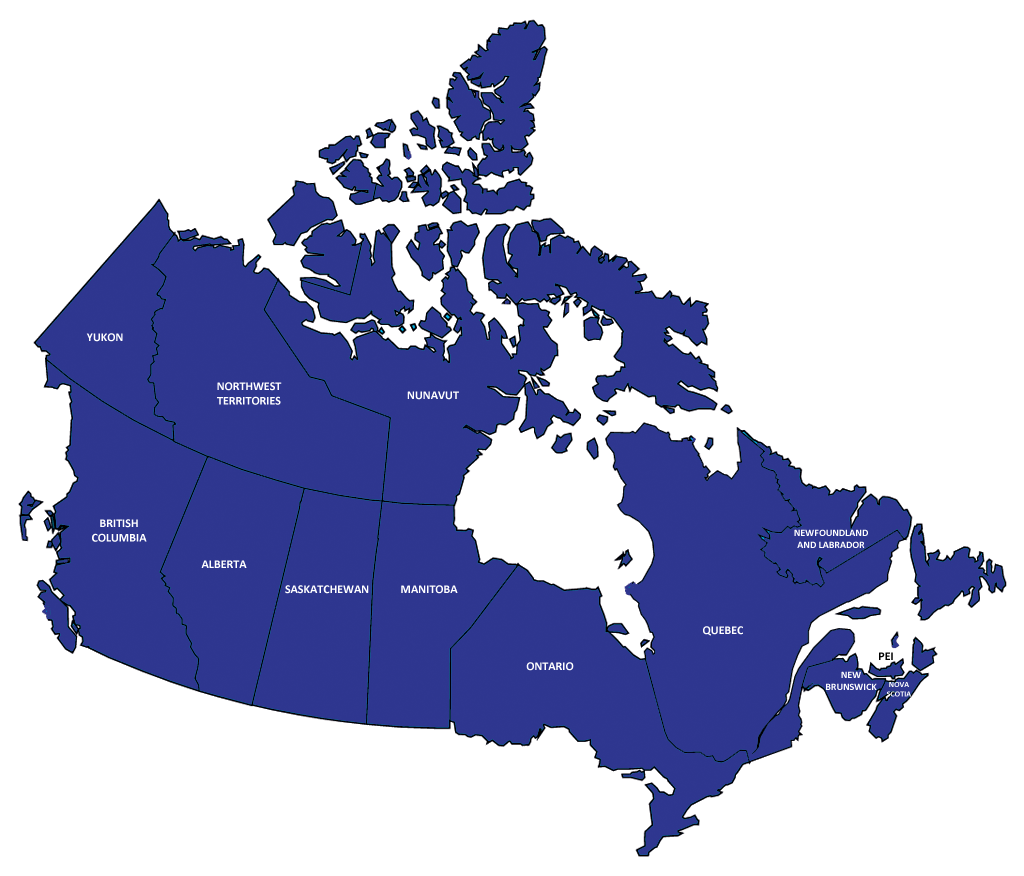
| Canadian Region |
| Alberta, British Columbia, Manitoba, New Brunswick, Newfoundland, Northwest Territories, Nova Scotia, Nunavut, Ontario, Prince Edward Island, Quebec, Saskatchewan, Yukon |
Speaker(s): | Ralph Connelly, NCSM Canadian Regional Director, Brock University, St. Catherines, ON, Canada |
|
| 144 | 3:30 - 4:45 | Room E | Anyone from Region C1 | Regional Caucus |
|
| Central Region 1 |
| Illinois, Indiana, Kentucky, Michigan, Ohio |
Speaker(s): | Don S. Balka, NCSM C1 Regional Director, Saint Mary's College, Notre Dame, IN |
|
| 145 | 3:30 - 4:45 | Room B | Anyone from Region C2 | Regional Caucus |
|
| Central Region 2 |
| Iowa, Kansas, Minnesota, Missouri, Nebraska, North Dakota, South Dakota, Wisconsin |
Speaker(s): | Ruth Harbin Miles, NCSM C2 Regional Director, Olathe Schools, Olathe, KS |
|
| 146 | 3:30 - 4:45 | Room 230 | Anyone from Region E1 | Regional Caucus |
|
| Eastern 1 Region |
| Connecticut, Maine, Massachusetts, New Hampshire, New York, Rhode Island, Vermont, Military State AE (Armed Forces Africa, Canada, Europe, and Middle East) |
Speaker(s): | Jacqueline Mitchell, NCSM E1 Regional Director, Portland, ME |
|
| 147 | 3:30 - 4:45 | Room 240 | Anyone from Region E2 | Regional Caucus |
|
| Eastern 2 Region |
| Delaware, District of Columbia, Maryland, New Jersey, Pennsylvania, West Virginia |
Speaker(s): | Janie L. Zimmer, NCSM E2 Regional Director, Research-Based Education, LLC, Woodbury, NJ |
|
| 148 | 3:30 - 4:45 | Room 231 | Anyone from Region S1 | Regional Caucus |
|
| Southern 1 Region |
| Bermuda, Florida, Georgia, North Carolina, Puerto Rico, South Carolina, Virginia, Virgin Islands, Military State AA (Armed Forces Americas) |
Speaker(s): | Patsy Shearer, NCSM S1 Regional Director, Brevard County Schools, Rockledge, FL |
|
| 149 | 3:30 - 4:45 | Room 241 | Anyone from Region S2 | Regional Caucus |
|
| Southern 2 Region |
| Alabama, Arkansas, Louisiana, Mississippi, Oklahoma, Tennessee, Texas |
Speaker(s): | Ted H. Hull, NCSM S2 Regional Director, Charles A. Dana Center, Austin, TX |
|
| 150 | 3:30 - 4:45 | Room 242 | Anyone from Region W1 | Regional Caucus |
|
| Western 1 Region |
| Alaska, Arizona, Colorado, Idaho, Montana, Nevada, New Mexico, Utah, Wyoming |
Speaker(s): | Linda Morrow, NCSM W1 Regional Director, Navajo County Schools - Education Service Agency, Holbrook, AZ |
|
| 151 | 3:30 - 4:45 | Room 232 | Anyone from Region W2 | Regional Caucus |
|
| Western 2 Region |
| California, American Samoa, Federated States of Micronesia, Guam, Marshall Islands, Northern Mariana Islands, Palau, Hawaii, Oregon, Washington, Military State AP (Armed Forces Pacific) |
Speaker(s): | Cheryl Avalos, NCSM W2 Regional Director, Consultant, Hacienda Heights, CA |
|
| 152 | 3:30 - 4:45 | Room F | Former NCSM Presidents | Caucus |
|
| Former NCSM Presidents |
|
Speaker(s): | Ross Taylor, Former NCSM President, Minneapolis, MN |
|
| 153 | 3:30 - 4:45 | Room G | Anyone from outside the U.S./Canada | Caucus |
|
| Gathering of International Attendees |
| Take this opportunity to gather with others from around the world. Discuss ways in which NCSM can better serve your interests. Those in attendance can set their own agenda, discuss common issues, extend their networks, and grow as leaders. |
Speaker(s): | Kay Gilliland, NCSM Past President, Oakland, CA |
|
| | 5:00 - 6:00 | Majestic Ballroom | All Grades | Reception |
|
| Reception (ticket required) Sponsors: Pearson Education (Pearson Scott Foresman, Pearson Prentice Hall, and Pearson Achievement Solutions) |
| Mingle with other attendees as you enjoy a pre-dinner social hour. |
|